Vital Connections between Folklorico Music and Dance

“El contexto de sones y jarabes se refiere no solo a la musica sino a la presencia de bailadores y bailadoras, sin los cuales dificilmente podriamos entender la existencia del mariachi.” Santiago Miramon, arpero de Pihuamo, recollections of his time as a mariachi musician in 1924. Complied by Arturo Chamorro in 1984. 

This is one of my favorite quotes. Why? Because it is in complete opposition to the way we think about Mexican Folkloric music and dance in the 21st century United States. Let’s carefully think about what Santiago Miramon is telling us in this quote where he remembers what it what like playing mariachi music in the 1920s. He talks about how whenever you refer to the jarabes and sones it is assumed that the dancers are included as well. In other words, the music and dancers are inseparable. They are intrinsically linked together.  So, what does this mean?  Of course Miramon is talking about a time period when recorded music did not exist but he is saying so much more. He hints at the ways in which music and dance were intertwined unable to be pulled apart. Each feeding off of each other in a sort of cooperative arrangement. This connection was so crucial that Miramor comments that is is difficult to explain the existence of the mariachi without the dancers. That is how important the dancers were!
music-and-dance-1.jpg
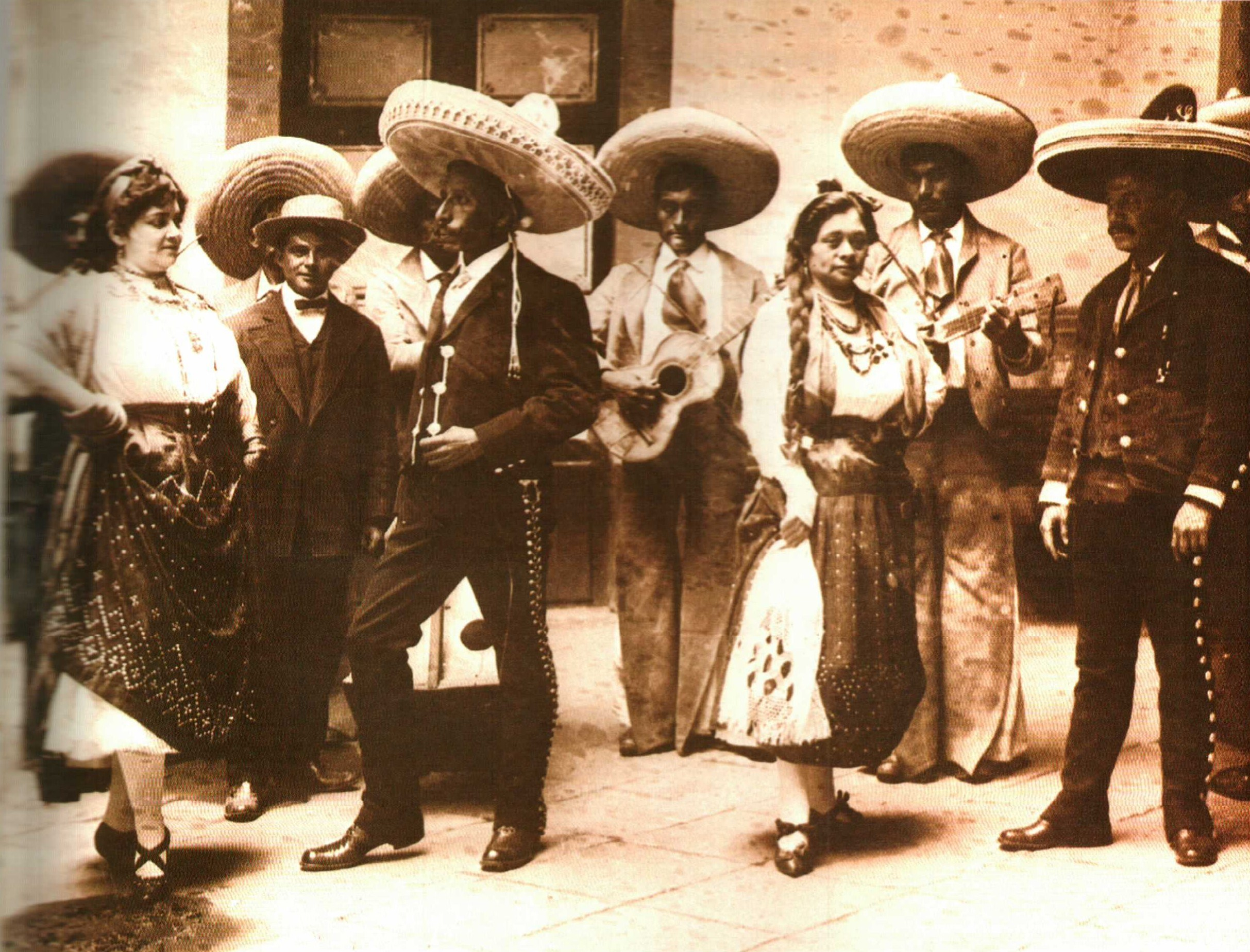
Pictured is La Orquesta Mariachi alongside the best dancers from Cocula, Jalisco as taken in 1907.

Memories of Music and Dancing

Jesús Jáuregui in El Mariachi: Symbolo Musical de México publishes the childhood recollections of a man who remembers seeing the mariachi musicians and dancers perform together in his pueblo in Zapotlán in 1880. Here, he gives us an example of how folkloric music and dance are intertwined.

“De súbito una pareja se abre paso y se adelanta a la tarima. Los vasos colma el ‘ponche’ de granada, y son como corazones hipertrofiados que sangran; el ‘mariachi’ su ‘valona’ corta, y entonces las arpas cambian el ‘aire,’ la brisa vuélvese cálida racha, y las pupilas se encienden y los pechos se dilatan. ¡Es el ‘jarabe!’ Es la copa en donde bebe mi raza el almíbar de sus dichos y la hiel de sus desgracias; en él ha puesto Jalisco, ese florón de la patria, cantos de amor y ventura y alaridos de venganza. Tiene arrullos de paloma reclamos de macho en brama; suspire como arroyuelo, ruge como catarata; sus notas vierten efluvios que confortan y embalsaman o bien tósigos que enervan como la ‘ortiga escarlata;’ porque pone el pueblo en ese milagroso pentagrama, –según la vida que vive, según el tiempo que pasa—todo el fuego de su sangre y toda el alma de su alma. Hay gritos y palmoteos…inyecta el ‘ponche’ en las caras carmín, y enciende en los ojos fulguraciones extrañas, que la música desgrana… ‘El,’ parece que se quiebra; se encoge: luego se alza sobre los pies [..] ambas manos cruza abajo de la espalda….. sus piernas son como appendices, que se acortan y se alargan; hacen arcos de paréntesis, hacen equis de tenaza, en tanto que la bruñida botanadura de plata luce y suena con alegres retintines de sonaja. ‘Ella’ es la hembra. Rehusa al macho; sobre las tablas, con sus pies que se deslizan como en un vértigo, traza líneas y líneas que forman una invisible maraña en que el amor se revuelve como pájaro en la trampa. …(59-60).”

Vital Connections

This account illustrates the interconnections of both dancers and musicians who improvised and in so doing fed off of each other’s enthusiasm and rhythms. He notes the ways that the musicians subtly change their rhythms when the dancers begin their zapateados upon the tarima. As a young boy, the narrator immediately recognizes the movements and music of the jarabe which fills him with excitement and pride. When the musicians and dancers perform, he poetically describes the music, dances, and gritos which fill the air. As the music continues the dancers tell a story of courtship, love, and romance using their body movements.

My Thoughts

I argue that this feeling of unity or cohesiveness between musicians and dancers is the root, the essence of the where our dances came from. Using melodies, rhythms and syncopated, percussive zapateados the dancers and musicians work together as one inseparable unit.  How do we re-create this emphasis where the dancers were so crucial to the music.  This emphasis where as Miramor describes it the mariachi would not exist without the dancers. Beyond merely performing with live musicians, how do we get back to these feelings in our teachings, choreographies, and performances? How do we conjure up this essence in our performances of sones and jarabes in the 21st century?  What can we do to keep this way of dancing and playing music alive? This is something that I continue to grapple with today. What do you think?

Works Cited

Chamorro Escalante, Arturo J. Mariachi Antiguo Jarabe y Son: Símbolos Compartidos y        Tradición Musical en las Identidades Jaliscienes. Jalisco: D. R. El Colegio de Jalisco, 2000.

Jáuregui, Jesús. El Mariachi: Symbolo Musical de México. México: Instituto Nacional de Antropología e Historia, 2007.

Cover photo courtesy of Gabriela Mendoza-Garcia. Photo of dancers in 1907 is in the public domain.

Copyright, 8/12/2018, Mendoza-Garcia

Gabriela Mendoza-García Ph.D. is an Artist and Scholar. She has her own dance school and company called the Gabriela Mendoza-García Ballet Folklórico in Laredo, Texas.  Dr. Mendoza-Garcia founded this group in 2013 and teaches children and adults of all ages. Her company consists of seasoned folklórico dancers with years of experience performing this art form. She teaches traditional Mexican folklórico dance pieces, as well as, works that are inspired by her scholarly research. Her scholarship includes: Dancing throughout Mexican History (1325-1910), History & Folklore booklet with an accompanying documentary sponsored by the Webb County Heritage Foundation, The Jarabe Tapatío: Imagining Race, Nation, Class and Gender in 1920s Mexico published by Oxford University Press, an on-line blog, writings for Asociación Nacional de Grupos Folklóricos, and others.
Folklorico Books for Every Folklorista’s Collection

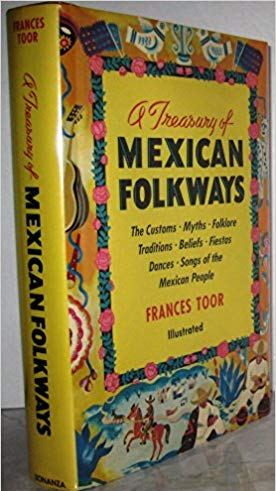
Part of our responsibilities as Folkloristas is to research using books, newspapers, archives, oral histories, and bodily transmissions. We need to fully engage as practitioners of our art form. Our choreographies need to be grounded in theory, text, oral/bodily accounts, and especially in history to create and/or transmit them.  Part of this process involves collecting books written by scholars/artists that we can use as a reference. Every Folklorista that I know has their own book collection that they use to inspire their choreographies and learn more about our history. So, this month I decided to share with you my favorite books that have helped me as a scholar, writer, and choreographer. So, here it goes… Read More


Folklorico Dance as a Form of Resistance

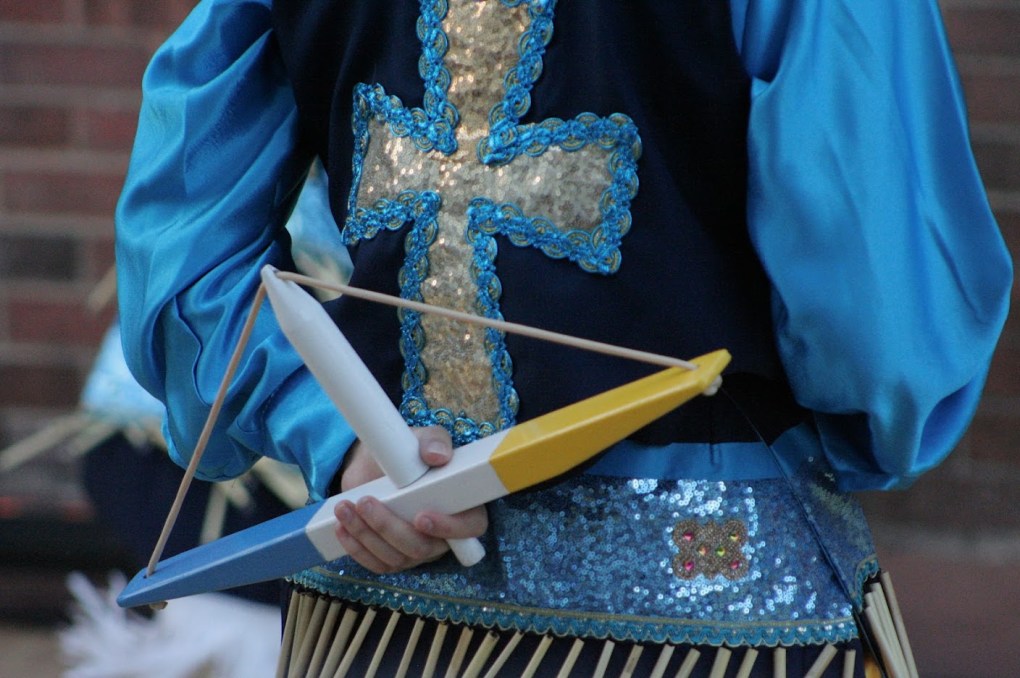
Contrary to stereotypes that depict Mexicans as passive, our ancestors were anything but. When faced with political, religious, and cultural conquest, they fought back.  Hidden within the dance-dramas of Mexico such as: Los Moros y Cristianos, Los Santiagos, La Danza de la Pluma, La Conquista and Los Matachines (as pictured above) our dancing continues to preserve the ancient traditions of our ancestors including their opposition to Christianity and conquest.  Outwardly, these dances seem to promote the Christian themes encouraged by the Spanish conquerors, yet to those “in the know” these dance-dramas had a deeper meaning. The following is an excerpt from the book Dancing Throughout Mexican History (1325-1910) written by Sanjuanita Martínez-Hunter and edited by myself.

Read More

Performing Nation: The Jarabe Tapatío of 1920s Mexico

As I was researching for my latest project, I happened to find my article entitled, “The Jarabe Tapatío: Imagining Race, Nation, Class, and Gender in 1920s Mexico” as published in The Oxford Handbook of Dance and Ethnicity available for preview on-line. Please click below.

Oxford Handbook of Dance and Ethnicity

I invite you to read through this article and tell me your thoughts. I have decided to give a brief summary of my arguments from this article for this months’ blog.

Read More

Folklorico Dance (Jalisco, Veracruz, Guerrero etc.) as a Form of Prayer

There we stood by the stage outside the St. Augustine Cathedral in Laredo, Texas, dressed in full costume. All my dancers and I were waiting our turn to perform at their Jamaica. Suddenly the bells rang indicating that mass had ended. As the churchgoers exited the building they walked right next to us as we stood by the stage. The priest came out of the church and walked all around us blessing us with holy water. Sprinkles of water touched my arms, dress, and head. Then, the priest got up on stage and welcomed everyone with a prayer. As we bowed our heads, I spoke silently to God thanking him with all my heart. Then, I prayed to God dedicating these dances to Him.  Just then, the organizer gave us the cue to begin. I took the stage performing the dances of Costa Chica, Guerrero with my dance group. We danced in front of the cathedral, before parishioners, family, friends and God.

Read More

Folklorico Dance as an Embodied Practice

Mexican Folklorico Dance is an art form that is passed down from parent to child and teacher to student. Yet, oftentimes we fail to really dig deep and closely look at what our dance movements tell us about ourselves as a people. We need to ask ourselves the following question. What are we trying to say when we dance?

Read More

Folklorico Dance as an Invented Tradition

Many times we believe that the Mexican folklorico dances that we perform have a long, long history.  In reality, many times the costumes, music, and dance steps are recent creations but are thought of as ancient. Eric Hobsbawn in his classic text “Inventing Traditions” (1983) coins this term to refer to “traditions actually invented, constructed and formally instituted and those emerging in a less easily traceable manner within a brief and date-able period-a matter of a few years perhaps- and establishing themselves with great rapidity (1).”  He notes that these invented traditions are practices with a given set of rules, rituals, that are repeated and that are thought to have a long history but in actuality are very recent (1).  Many of our Mexican Folklorico costumes, music, and dances fall under this definition of invented traditions.  I argue that many folklorico dances are thought to be old traditions but are were invented in the 20th century for performances. Let use a few examples of Mexican Folklorico costumes, music, and dances so we can think about this a bit further.

Read More

Teaching Folklorico Dance as a Living Practice

“Empecé a enseñar el jarabe tapatío a los extranjeros en 1932 y nunca lo he enseñado dos veces exactamente igual. Yo enseño parte del ‘Proceso Folclórico’ viviente, que como una mariposa, se transforma para hacerse más hermosa.”[I began teaching the Jarabe Tapatío to foreigners in 1932 and I have never taught it the same way twice.  My teachings reflect the living ‘folkloric process’, in which like a butterfly it is transformed to make it even more beautiful.] Alura Flores de Angeles “Godmother of Mexican Dance”

Read More

Bodily Memories

Bodily memories, teachings, feelings, movements passed on from one person to another. I have ingrained in my dancing body memories of my fabulous aunt, Sanjuanita Martinez-Hunter Ph.D., who was also my Dance Teacher.  Yes, I inherited her knick-knacks and collectibles but these are all just trivial pieces of material items in comparison to what I have truly inherited. I inherited her bodily knowledge. She was a dynamic personality who commanded attention upon entering every room. She connected on a personal level with every single student she taught. Most importantly, she imparted her Dance wisdom as taught from her own dance teachers to her students as a faculty at the University of Texas at Austin (UT).

Read More

Creation, Growth, and Inspiration: The Beginnings of the Asociación Nacional de Grupos Folklóricos (1974-1976)

This article was written specifically for the Asociación Nacional de Grupos Folkloricos in 2016. This blog post includes an excerpt. To read the article in its entirety please click on the link below

Asociación Nacional de Grupos Folklóricos

As I write this account, I note that it has been forty-one years since the Asociación Nacional de Grupos Folklóricos or ANGF first began as a non-profit organization. The purpose of ANGF is “to serve as a voice for the promotion and preservation of Mexican folklore traditions…”  This is accomplished by organizing an annual conference whereby participants meet to learn regional dances, music, and traditions of Mexico and Latin America countries by renown teachers. Read More